
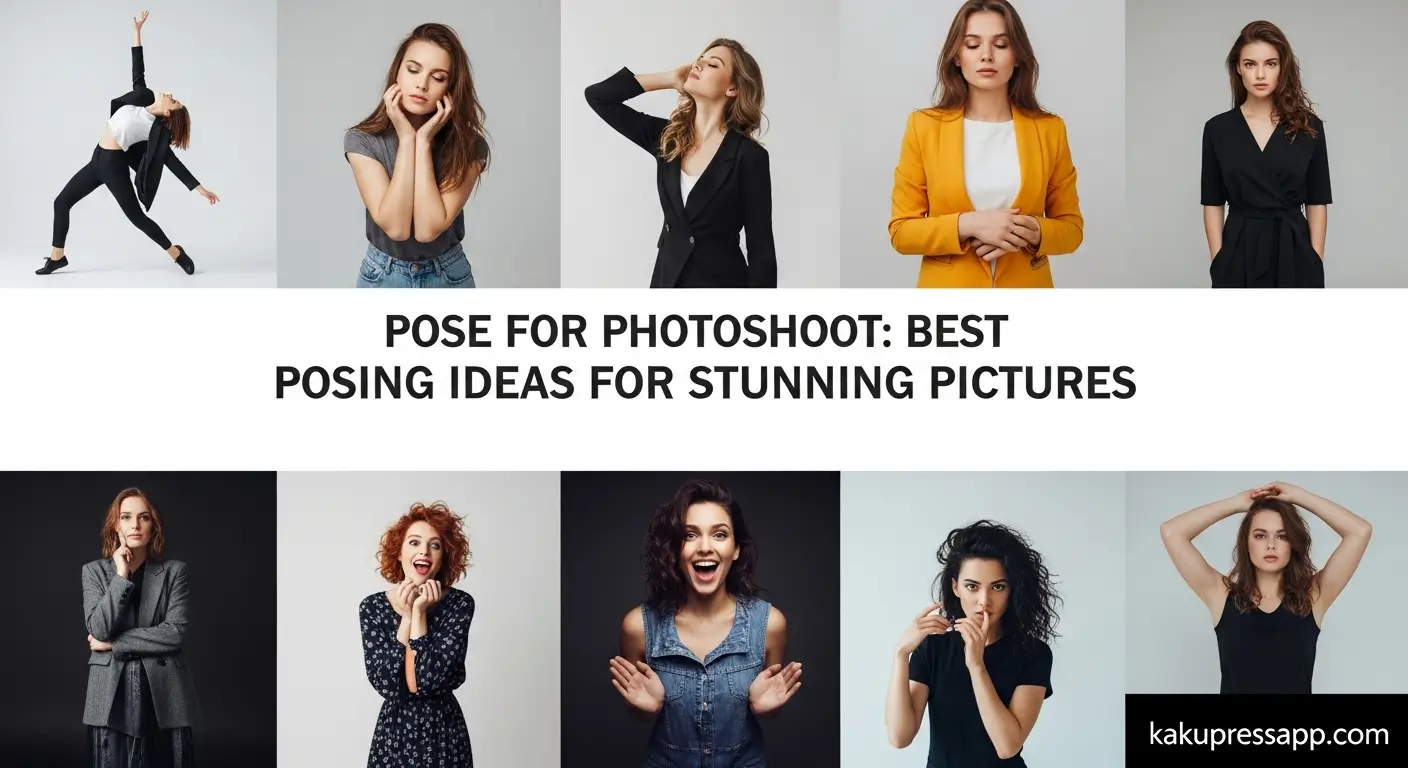
Welcome to Kaku Press App. Creating the perfect photograph requires a blend of skill, personality, and thoughtful preparation. One of the most important elements in producing impressive images is understanding Pose for Photoshoot. Photoshoot poses influence how confident, graceful, and attractive you look in every frame. Whether you are a professional model, an influencer, or simply someone who wants better personal photographs, learning how to pose can turn ordinary pictures into memorable images. The right pose highlights natural beauty, brings attention to your best features, and conveys confidence that connects with the viewer.
Photoshoot poses involve much more than simply standing in place or smiling at the camera. They include body positioning, facial expressions, hand placement, movement, and the way you interact with your surroundings. Understanding these basics and practicing different poses can help anyone appear more relaxed, stylish, and confident in photographs. This comprehensive guide covers useful techniques, practical tips, and pose ideas to help you create memorable photographs that reflect confidence and elegance.
“A well-executed pose can communicate confidence, personality, and style more strongly than words ever can.”
Understanding the Foundations of Photoshoot Poses
Before trying individual poses, it is important to understand the basic principles behind Pose for Photoshoot. Effective posing depends on body awareness, natural alignment, balanced positioning, and controlled facial expressions. Learning these fundamentals helps ensure that every pose complements your appearance and creates a polished result.
Body Posture and Alignment
Technology Your posture provides the base for every effective pose. Standing upright with your shoulders gently pulled back and your head naturally raised can instantly create an impression of confidence and poise. Keeping the shoulders relaxed helps avoid a rigid look and makes the pose feel more comfortable. Small changes, such as slightly rotating the torso or placing more weight on one leg, can create a balanced and dynamic body shape. Being mindful of your posture throughout the shoot helps each photograph combine elegance, confidence, and natural strength.
“Posture speaks quietly about confidence, while every pose tells its own story.”
Facial Expressions
Facial expressions play an important role in showing emotion and personality through photographs. A natural smile creates warmth and approachability, while a calm, neutral expression can give an impression of relaxed confidence. Practicing the technique of smiling with the eyes, often called smizing, can make photographs feel more genuine and expressive without relying on an exaggerated smile. Natural expressions usually create stronger images because forced or uncomfortable facial expressions can make a photograph look less authentic.
Understanding Angles and Perspective
Angles can significantly affect the way a pose looks in a photograph. Positioning your body slightly away from the camera can add depth and may create a more streamlined appearance. Trying different camera perspectives, including slightly higher or lower viewpoints, can bring attention to particular features and highlight your preferred angles. Understanding how perspective interacts with body positioning allows you to make adjustments that suit the composition and create photographs that look balanced, flattering, and visually appealing.
Read Also: second hand bikes price
Core Techniques to Enhance Confidence in Poses
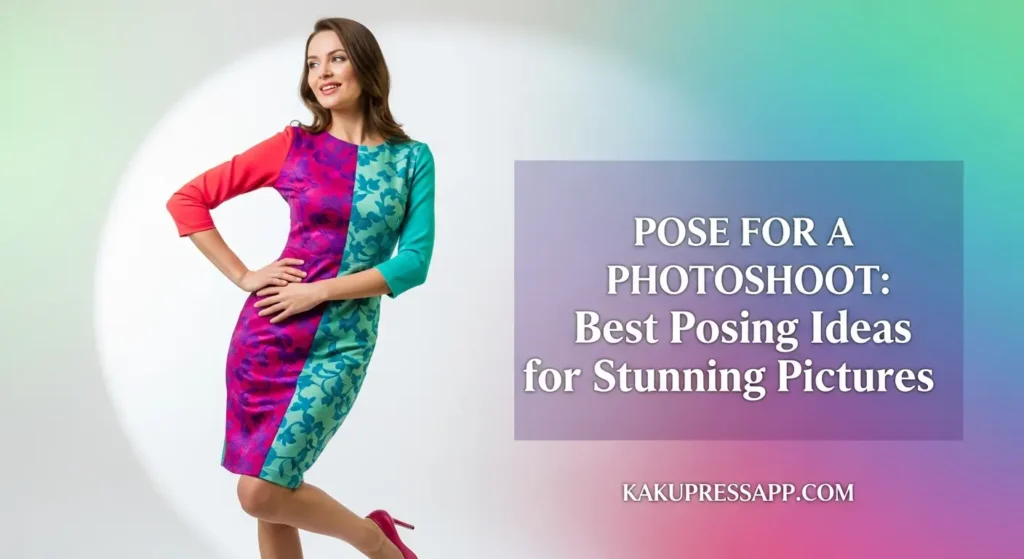
Poses that communicate confidence depend on small adjustments and mindful control of the body. Applying these essential techniques can turn basic poses into polished, engaging, and professional-looking photographs.
Shifting Weight and Leaning
Placing your weight on one leg creates a natural S-curve, which improves posture and defines the overall silhouette. Leaning gently against a wall, railing, or another nearby surface can make the pose feel more relaxed while offering useful support. These small changes reduce stiffness and create an effortless sense of elegance.
Strategic Hand Placement
Business Hand placement plays an important role in keeping photographs balanced and natural. Avoid holding your hands tightly against your body or letting them remain stiff at your sides. You can place one hand on your hip, gently touch your hair, hold a prop, or loosely cross your arms. Purposeful and relaxed hand movements support the pose without taking attention away from your face or overall appearance.
“Hands can strongly influence a photograph; thoughtful placement can strengthen an expression or lessen the image’s overall effect.”
Incorporating Movement
Adding movement brings energy and life to photographs. Simple actions, such as walking slowly toward the camera, adjusting an outfit, or making a natural turn, can produce relaxed and spontaneous-looking images. Movement helps the pose feel authentic instead of overly planned while also adding visual interest to the frame.
Utilizing Props
Props can make poses more natural while adding context to the photograph. Items such as sunglasses, hats, handbags, or other suitable accessories give you something to interact with and create natural options for hand placement. When chosen and used carefully, props can add depth and support the story of the image without distracting from the main subject.
Popular Photoshoot Poses to Look Confident and Stunning
Using the basic posing principles makes it easier to create poses that communicate confidence, elegance, and visual appeal. The pose categories below offer flexible choices that can work across different photoshoot locations and styles.
Standing Poses
Standing poses are flexible, emphasize posture, and work especially well for full-body compositions. They are commonly suitable for fashion, lifestyle, and portrait photography.
- Weight on One Leg: Move your weight onto one leg and keep the other slightly bent. This creates a natural S-curve and gives the silhouette a more relaxed appearance.
- Over-the-Shoulder Glance: Turn your head toward the camera over one shoulder to create a sense of mystery, elegance, and sophistication.
- Hands on Hips: Place one or both hands on your hips to define the waist and create a confident stance.
- Crossed Arms: Loosely crossing the arms can communicate strength while keeping the overall pose comfortable and polished.
Seated Poses
Seated poses provide plenty of opportunities to create graceful and elegant compositions. They are particularly useful for editorial, lifestyle, and personal photography.
- Crossed Legs at the Ankle: Crossing the legs at the ankles can create a longer visual line and give the pose a refined appearance.
- Leaning Slightly Forward: A gentle forward lean creates engagement with the viewer and can bring greater attention to facial features.
- Side Angle Seating: Turning the body slightly to one side adds depth and makes the seated composition more dimensional.
“Simple seated poses can still express elegance, poise, and confidence when performed with proper body awareness.”
Movement-Based Poses
Movement-focused poses bring out spontaneity, energy, and individual personality. They are especially effective for lifestyle images and social media photography.
- Walking Toward the Camera: Taking slow and controlled steps toward the camera creates a lively and naturally candid appearance.
- Adjusting Hair or Clothing: Simple gestures involving hair or clothing can make the photograph feel more genuine and relatable.
- Looking Away Thoughtfully: Looking slightly away from the camera can create a thoughtful mood while adding sophistication and visual interest.
Full-Body Poses
Full-body poses highlight posture, body proportions, and clothing details. They are well suited to fashion shoots, editorial photography, and polished personal portraits.
- Contrapposto Stance: Put most of your weight on one leg while allowing the other to remain relaxed, creating a natural and balanced curve.
- Leaning Against a Wall or Object: Using a wall or another object for support adds depth and creates a relaxed yet stylish appearance.
- Dynamic Gestures: Positioning the arms and legs in purposeful ways can frame the body and improve the visual balance of the composition.
Facial Expression Mastery
Facial expressions reveal personality, emotion, and confidence in photographs. Developing control over these expressions helps create images that feel engaging, natural, and memorable.
Natural Smiles
A genuine smile usually communicates warmth and confidence more naturally than a forced expression. Thinking about something pleasant or interacting comfortably with the photographer can encourage a real smile. Practicing different smiles in front of a mirror can also help you discover expressions that feel natural and suit your features.
Smizing Technique
Smiling with the eyes, commonly known as smizing, can create greater intensity and connection without requiring a visible toothy smile. Keeping the facial muscles relaxed while gently narrowing the eyes can produce an approachable, sophisticated, and authentic expression.
Chin and Jawline Positioning
To create greater definition around the jaw and reduce the appearance of a double chin, gently extend the chin forward and slightly downward. Small head tilts can also create more flattering angles, emphasize facial features, and improve the overall balance of the composition.
Wardrobe and Styling for Stunning Poses
The clothes you choose can affect how confident and polished you look in photographs. Thoughtful styling works together with your poses to strengthen the overall visual appearance.
- Well-Fitted Clothing: Properly fitted outfits can complement your natural shape while giving you enough freedom to move comfortably.
Contrasting Colors: Select colors that work well with your skin tone and surroundings so the subject remains visually noticeable. - Layering and Textures: Different layers and textures can introduce depth and create additional visual interest within the photograph.
- Minimal Distractions: Limit overly busy patterns and excessively bright accessories that could pull attention away from your pose and facial expression.
“The right clothing can strengthen your pose and presence, while unsuitable styling may distract from even excellent posture.”
Interaction with Environment and Background
Choosing the right setting can significantly improve the overall effect of a photoshoot. Using the surroundings intentionally helps keep attention focused on the subject and creates a stronger composition.
- Natural Environments: Parks, gardens, beaches, and city streets offer varied and visually engaging backgrounds for different posing styles.
- Studio Backdrops: Controlled lighting and simple backgrounds keep the focus on the subject while making the pose more noticeable.
- Props in the Environment: Benches, railings, stairs, and walls can provide support, create layers, and add depth to the composition.
- Lighting Considerations: Soft natural lighting, including the warm light during golden hour, can enhance facial features and create a pleasing appearance for the skin.
Advanced Posing Techniques
After becoming comfortable with basic poses, advanced methods can improve the visual quality of photographs and help create a more polished result.
Layered Posing
Layered posing combines several angles or movements within a single frame. For instance, extending one arm slightly forward while turning the head in another direction can introduce more depth, dimension, and visual complexity.
Symmetry and Compositional Balance
Using balanced body positions and symmetrical elements can make an image more harmonious. Similar positioning of the arms, legs, or body angles can create visual consistency and a pleasing overall composition.
Strategic Prop Interaction
Practicing natural interaction with props such as chairs, flowers, or furniture can strengthen the story of a photograph. The key is to use these objects comfortably so they support the composition without making the pose look overly staged.
Perspective and Camera Angles
Changing the camera perspective can noticeably influence the final image. Lower camera angles can make the body appear longer, while higher angles can draw more attention to facial features. Pairing suitable camera angles with controlled, dynamic poses can produce images with a more professional appearance.
Common Posing Mistakes to Avoid
Small posing problems can affect the overall quality of a photoshoot. Recognizing common mistakes makes it easier to maintain attractive and consistent photographs.
- Rigid Posture: Tense muscles or locked joints can make a pose look uncomfortable. Staying relaxed creates a more natural impression of confidence.
- Improper Hand Placement: Unnatural or awkward hand positions can disturb the balance and composition of the photograph.
- Forced Facial Expressions: Genuine emotions generally look more natural and appealing than exaggerated or uncomfortable smiles.
- Distracting Backgrounds: Unnecessary objects or clutter in the background can take attention away from the main subject.
- Wardrobe or Prop Issues: Poorly fitting clothes or using too many props can weaken the overall effectiveness of the pose.
“A strong photograph requires not only good execution but also awareness of the mistakes that can weaken the final image.”
Quick Reference Pose Table
| Pose Type | Description | Key Tip |
| Weight Shift | Place most of your weight on one leg while keeping the posture relaxed | Creates a natural curve and silhouette |
| Over-the-Shoulder Look | Turn your head back toward the camera | Adds elegance and sophistication |
| Hands on Hips | Place your hands comfortably on your hips | Highlights confidence and poise |
| Walking Motion | Take slow, natural steps toward the camera | Creates a lively and candid effect |
| Seated Crossed Legs | Cross your legs at the ankle while seated | Creates a longer visual line and adds refinement |
| Lean Against Surface | Use a wall or railing as comfortable support | Adds casual sophistication and depth |
Practicing and Preparing for Photoshoots
Regular practice is essential for becoming comfortable with photoshoot poses. Using a mirror or recording short test sessions can help you discover flattering angles, body positions, and facial expressions. Preparing before the actual photoshoot also builds confidence and makes it easier to perform poses naturally when the camera is ready.
Mindset for Confidence
Confidence begins with feeling comfortable and prepared in front of the camera. Positive visualization, thoughtful preparation, and a calm mindset can help reduce tension and improve the natural quality of every photograph.
Frequently Asked Questions (FAQs)
What are the most important tips for posing in a photoshoot?
The most important tips include maintaining good posture, relaxing your shoulders, shifting weight naturally, placing your hands thoughtfully, and using genuine facial expressions. Incorporating subtle movement and interacting with the environment or props enhances the overall impact.
How can I look confident in photos?
Confidence comes from posture, body alignment, and authentic expressions. Stand tall, slightly shift weight to one leg, smile naturally or use the smize technique, and engage with the camera to project self-assurance.
What are some easy poses for beginners?
Beginners can start with standing poses like weight on one leg, hands on hips, over-the-shoulder glances, or seated poses with crossed legs. Slow walking, adjusting hair, or looking away thoughtfully also creates natural, confident shots.
How do props improve photoshoot poses?
Props provide natural hand placement, add context, and create storytelling opportunities. Items like sunglasses, bags, hats, or furniture can enhance poses without distracting from your presence in the photograph.
How do I practice poses before a photoshoot?
Practice in front of a mirror, take test photos, or record yourself adjusting posture, facial expressions, and angles. This helps you discover your best poses and increases confidence during the actual shoot.
How does wardrobe affect my photoshoot poses?
Well-fitted clothing highlights body shape and allows freedom of movement. Choose colors that complement your skin tone, avoid excessive patterns, and consider layering or textures to add depth while keeping the focus on your pose and expression.
Conclusion
Mastering Pose for photoshoots that make you look confident and stunning requires attention to posture, facial expressions, body angles, and movement. By understanding how to position your hands, shift weight naturally, and interact with props or the environment, you can enhance every shot. Genuine smiles and the smize technique add warmth and authenticity, while wardrobe and styling amplify your overall presence. Practicing regularly in front of a mirror or through test shoots builds confidence and helps identify your most flattering angles. By implementing these strategies consistently, anyone can create visually captivating, professional, and memorable photographs that communicate elegance, personality, and self-assuredness.
