
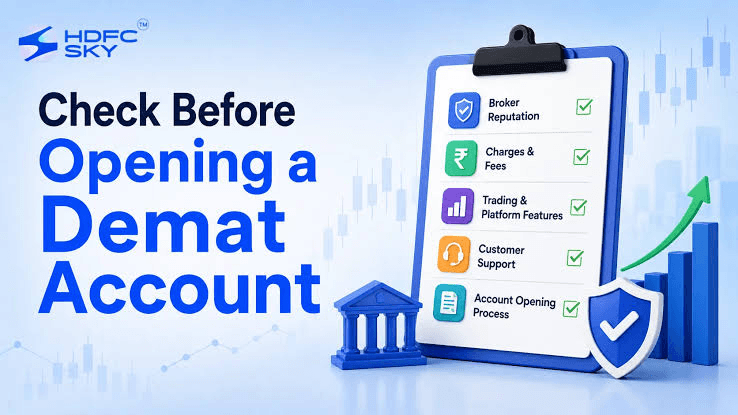
Opening a Demat account is often presented as a quick process, but the cost of maintaining and using the account can vary across brokers. While account opening may be free, investors may still pay annual maintenance charges (AMC), transaction fees, brokerage, taxes and other applicable charges. Understanding these costs before selecting a broker can help investors compare options more effectively. This article explains the key charges to check before choosing a platform for holding and trading securities.
What is AMC for a Demat account?
Annual maintenance charges are fees collected for maintaining a Demat account with a depository participant (DP). When you open Demat account, these charges cover the maintenance of electronic records of securities held by an investor. The AMC may be charged annually, quarterly or according to the broker’s stated schedule.
The amount can differ based on the broker, account type and applicable pricing plan. Some providers may offer zero AMC for a specific period or under certain conditions, while others may charge a fixed amount every year. Therefore, investors should check the latest fee structure instead of considering only the account opening fee.
Why Should You Check AMC Before Choosing a Broker?
AMC is particularly relevant for investors who plan to hold securities for the long term. Even when an investor does not frequently buy or sell shares, maintenance charges may continue to apply depending on the account terms.
For example, an investor who makes only a few transactions but holds shares for several years may find recurring maintenance costs more relevant than short-term brokerage savings. Comparing AMC along with other charges provides a clearer picture of the overall cost of maintaining an investment account.
Investors should also check whether the advertised AMC is applicable to all customers or only to selected plans. Promotional offers may have a limited validity period, after which regular charges can apply.
Other Charges to Check Besides AMC
Looking only at AMC can give an incomplete picture of the actual cost of investing. Before selecting a broker, review the following charges:
Brokerage Charges
Brokerage may apply when buying or selling securities, depending on the segment and pricing plan. Equity delivery, intraday trading, futures and options can have different brokerage structures. Some platforms may advertise low or zero brokerage for specific transactions while charging applicable fees in other segments.
Depository Charges
Depositories and DPs may levy charges for certain transactions involving the transfer or debit of securities. These costs can vary depending on the type of transaction and service provider. Check the broker’s tariff sheet to understand when such charges apply.
GST and Statutory Charges
Goods and Services Tax may apply to brokerage and certain service-related charges. Investors may also incur statutory levies such as Securities Transaction Tax (STT), exchange transaction charges, SEBI turnover fees and stamp duty, depending on the transaction.
These charges are generally separate from AMC and can affect the final transaction cost. A broker comparison should therefore consider the complete pricing structure rather than one advertised fee.
Check Charges for Fund Transfers and Withdrawals
Moving funds between a bank account and a Demat app can also involve charges depending on the payment method and broker. While standard transfers may be free, some payment modes or value-added services could carry additional fees.
Investors should check the available deposit and withdrawal methods and whether any charges apply. This is especially useful for active investors who frequently move funds into or out of their trading account.
Review Account Closure and Other Service Charges
Before choosing a broker, check whether charges apply for account closure, physical statements, reactivation or other account-related services. Some investors may never use these services, but knowing the applicable fees can help avoid unexpected costs.
It is also useful to review charges for services such as call-and-trade facilities, pledged securities, off-market transfers and other optional features. The relevance of each fee depends on how the investor plans to use the account.
Read the Broker’s Tariff sheet Carefully
The tariff sheet is one of the most useful documents for understanding applicable charges. Investors should look for details such as minimum charges, percentage-based fees, transaction limits, applicable taxes and conditions attached to free services.
It is also important to check whether fees can change in the future. Brokers may revise their pricing structures after providing notice according to applicable regulations and their terms. Checking the latest tariff information before opening an account can help investors make an informed comparison.
Conclusion
Checking AMC and other applicable charges before selecting a broker can help investors understand the actual cost of maintaining and using a Demat account. Account opening fees, annual maintenance, brokerage, statutory levies, depository charges and optional services should all be reviewed before making a decision. Investors can compare these costs with their expected trading and investing frequency. Platforms such as 5paisa can also be evaluated by reviewing their latest pricing and service details before choosing where to maintain a Demat account.
