
Welcome to kakupressapp. Photography has become an important part of modern life. From preserving memorable moments to producing social media content, everyone wants to look their best in photographs. Understanding the best photo pose is essential for creating images that are attractive, natural, and flattering. Whether taking selfies, professional portraits, or casual pictures, mastering the right pose can turn an ordinary photo into an impressive one.
Using the right poses enhances physical features, shows confidence, and expresses personality. A well-executed pose can greatly improve the quality of a photograph, making it engaging and memorable. This comprehensive guide covers the most effective poses, posture adjustments, facial expression techniques, hand placement, and additional strategies, helping ensure that every captured image showcases one’s best qualities.
Pull Quote: “Mastering the best photo pose is not simply about appearance; it is about expressing confidence and personality through every image.”
Understanding the Importance of the Best Photo Pose
The way the body is positioned in a photograph strongly affects the final result. Posing is not merely standing in front of a camera; it combines posture, angles, expressions, and body language. The best photo pose maintains proper body proportions, highlights facial features, and expresses individuality.
BusinessProfessional photographers stress that seventy percent of a good photograph depends on posing, while only thirty percent relies on lighting and post-processing. This demonstrates the important role of learning proper poses. Whether someone is a beginner or experienced in photography, knowing how to pose effectively can greatly improve the overall result of photographs.
How Poses Influence Visual Perception
- Proper posing can make a person look taller, slimmer, and more confident.
- Wrong poses can make even a beautiful background appear awkward and unbalanced.
- Small changes in posture can highlight strengths while reducing perceived flaws.
Pull Quote: “A remarkable pose can turn a simple photograph into a professional masterpiece.”
Read Also: remaker a
Fundamental Principles of a Successful Photo Pose
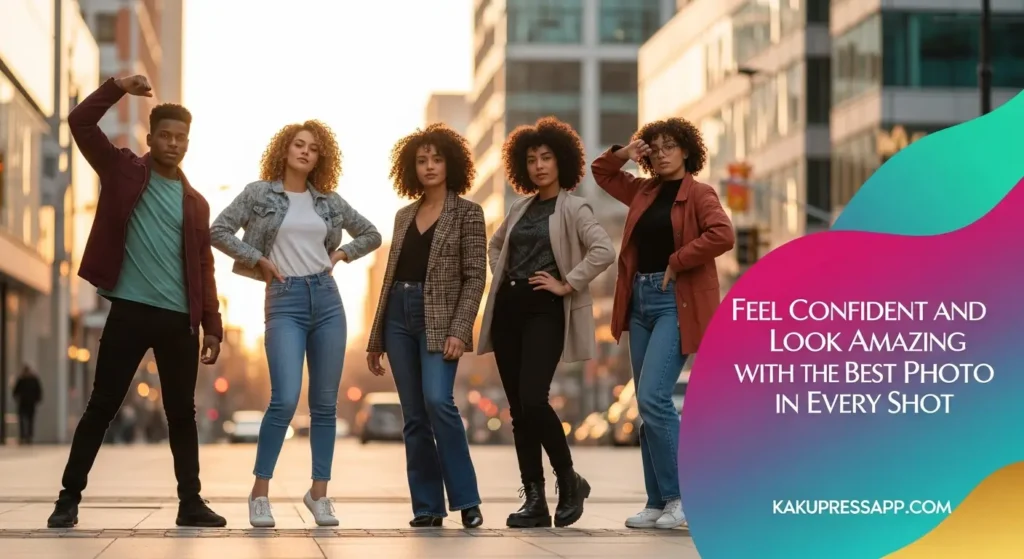
Before exploring specific poses, it is important to understand the basic principles that work across different situations. These fundamental techniques remain useful regardless of the photography style or environment.
Posture and Body Alignment
Proper posture is essential for producing flattering photographs. A person should stand or sit with a straight back and relaxed shoulders. Avoid slouching because it reduces confidence and changes the body’s natural lines.
Tips for Proper Posture:
- Keep the shoulders slightly pulled back while staying relaxed.
- Activate the core muscles to help maintain proper spinal alignment.
- Keep the head in a neutral position and avoid excessive tilting.
Camera Angle and Position
The placement of the camera can strongly affect how facial and body features appear. Achieving the best photo pose involves knowing which angles complement the overall appearance.
- Turn the body at approximately a forty-five-degree angle to create a slimmer waistline.
- Place the camera slightly above eye level to achieve a generally more flattering result.
- Avoid low-angle photographs because they can make certain features look exaggerated.
Facial Expressions
Facial expressions communicate emotion, mood, and personality. Natural smiles, relaxed eyes, and gentle facial movements are usually more attractive than exaggerated expressions. Staying comfortable and authentic helps photographs look genuine and engaging.
Pull Quote: “Facial expression is the heart of a photograph; it should communicate authenticity and self-confidence.”
Essential Photo Poses for Various Situations
Different situations call for different posing approaches. Organizing poses into standing, sitting, casual, formal, and selfie styles makes them easier to understand and apply.
Standing Poses
Standing poses are flexible and frequently used in both professional and casual photography. They offer full-body visibility while allowing freedom with angles and positioning.
Popular Standing Poses:
- Forty-Five Degree Turn: Turn the body slightly to create a more flattering silhouette.
- Weight on One Leg: Shifting the weight onto one leg creates a natural and relaxed stance.
- Hands on Hips: Highlights the waist while expressing confidence.
- Crossed Arms (Relaxed): Shows authority while keeping the posture natural.
Pull Quote: “Standing poses are flexible and work well in both formal and casual environments with little effort.”
Sitting Poses
Sitting poses give photographs a relaxed and approachable feel, especially in indoor and lifestyle photography.
Popular Sitting Poses:
- Legs Crossed at the Ankles: Brings an elegant and sophisticated look.
- Leaning Forward Slightly: Connects with the viewer and shows attentiveness.
- Hands Resting on Lap or Table: Creates a natural hand position and minimizes awkwardness.
- Leaning Against Chair Back: Produces a comfortable and casual atmosphere.
Casual Lifestyle Poses
Casual poses showcase natural personality and authenticity. They work especially well for everyday photographs and social media content.
- Walking Pose: Adds movement and energy to the image.
- Hair Adjustment: Gently touching or arranging the hair creates a candid feel.
- Gazing Away: Adds intrigue and visual appeal.
- Using Accessories or Props: Coffee cups, books, and sunglasses give the hands a natural purpose.
Pull Quote: “Casual poses showcase personality while creating an image that feels naturally engaging.”
Selfie Poses
Selfies require careful consideration of angles, lighting, and facial expressions. The best photo pose for selfies focuses on flattering perspectives and attractive composition.
- Hold the camera slightly above eye level to achieve balanced facial proportions.
- Tilt the head slightly to create a more dynamic composition.
- Keep the smile relaxed and natural.
- Include elements of the background to create additional visual depth.
Hand and Arm Positioning Techniques
Poor hand placement can cause photographs to look uncomfortable or unnatural. Thoughtful positioning improves composition while adding elegance.
- Hands on Hips or Waist: Defines body contours and adds structure.
- Hands in Pockets: Creates a relaxed and confident posture.
- Holding Props: Gives the hands a natural purpose while adding context.
- Gentle Touch to Hair or Face: Brings sophistication and subtle charm.
Pull Quote: “Thoughtful hand placement enhances a photograph by expressing confidence and style.”
Facial Angles and Jawline Enhancement
Changing facial angles can improve jawline definition and overall facial structure. Small adjustments can make a noticeable difference.
- Move the chin slightly forward to emphasize the jawline.
- Turn the face fifteen to thirty degrees away from the camera to add dimension.
- Keep the lips and eyes relaxed for a natural look.
Incorporating Movement into Poses
Dynamic poses communicate energy and authenticity. Gentle movement helps avoid stiffness and makes photographs more visually interesting.
- Take a small step or gently shift your weight.
- Change head and shoulder positions between photographs.
- Capture candid expressions such as laughter or natural gestures.
Group Photography Posing Strategies
Group photographs need coordinated positioning to create balanced and appealing compositions.
- Arrange people at different heights to add visual interest.
- Avoid having everyone face the camera straight on; slight angles look more natural.
- Encourage interaction to capture genuine expressions.
- Use the surroundings creatively so the group fits naturally into the environment.
Professional Portrait Posing Tips
Professional portraits require polished posing techniques that communicate elegance and confidence.
- Choose a neutral background to reduce distractions.
- Use soft, natural lighting to highlight facial features.
- Focus on posture and body language to communicate confidence.
- Capture several expressions to provide more options during selection.
Clothing and Styling Considerations
Clothing plays an important role in how a pose appears in photographs. Outfits should complement the body shape and the intended aesthetic.
- Fitted clothing highlights natural body contours.
- Avoid overly complicated patterns that draw attention away from the subject.
- Coordinate colors to create a more professional appearance.
- Use layers and accessories to add depth and visual interest.
Pull Quote: “The right clothing complements the pose and improves the overall visual appeal of a photograph.”
Outdoor Photo Poses and Environmental Interaction
Natural and urban environments offer creative possibilities for producing visually appealing poses.
- Lean against natural or architectural features to provide context.
- Use pathways, fences, or lines to direct visual attention.
- Incorporate sunlight and shadows to create mood and depth.
- Engage with the surroundings by walking, touching objects, or interacting with natural elements to maintain authenticity.
Advanced Techniques for Experienced Photographers
Experienced photographers use subtle techniques to achieve consistently strong results.
- Give subjects gentle guidance instead of strict instructions.
- Capture micro-expressions to emphasize individuality.
- Use a shallow depth of field to keep attention focused on the subject.
- Try small changes in camera angles to find the most flattering composition.
Table of Posing Guidelines
| Pose Category | Key Techniques | Objective |
| Standing | Weight on one leg, slight angle, hands on hips | Slimming effect, confident appearance |
| Sitting | Legs crossed, lean forward, hands resting | Relaxed, approachable, graceful |
| Casual Lifestyle | Walking, hair touch, gaze away | Natural, candid, engaging |
| Selfie | Camera above eye level, head tilt, relaxed smile | Flattering angle, dynamic expression |
| Group Photography | Staggered heights, interaction, and slight angles | Balanced, dynamic group composition |
| Outdoor | Lean on objects, use pathways, and natural light | Creative integration with the environment |
Common Posing Mistakes to Avoid
Even experienced people can make mistakes while posing. Avoiding these common errors helps produce better-quality photographs.
- Slouching or maintaining poor posture.
- Using stiff or unnatural facial expressions.
- Placing the hands awkwardly or hiding them.
- Facing the camera straight on without using angles.
- Overlooking natural lighting and background composition.
Pull Quote: “Even minor posing mistakes can undermine the benefits of excellent lighting and equipment.”
Frequently Asked Questions (FAQs) About Best Photo Pose
What is the best photo pose for beginners?
For beginners, standing at a forty-five-degree angle with weight shifted to one leg and hands softly placed on hips or pockets is ideal. This pose creates a natural and flattering silhouette without appearing stiff or awkward.
How can I look photogenic in selfies?
Hold the camera slightly above eye level, tilt your head subtly, maintain a relaxed facial expression, and use natural lighting. Small adjustments like smiling gently or looking slightly away from the camera enhance the overall appearance.
How do I make my jawline appear sharper in photographs?
Slightly tilt your chin forward, turn your face fifteen to thirty degrees from the camera, and relax your lips and eyes. Proper posture also enhances jawline definition naturally.
What are common mistakes to avoid while posing?
Avoid slouching, stiff facial expressions, awkward hand placement, facing the camera straight on without angles, and ignoring natural lighting or background. These small errors can reduce the impact of even well-composed photographs.
How can I improve my posing for group photos?
Stagger heights among participants, encourage natural interaction, avoid uniform straight-on poses, and integrate the environment creatively. Subtle angle adjustments make the group photo appear balanced and dynamic.
Do props help in posing for photos?
Yes, props such as coffee cups, books, sunglasses, or hats give hands a natural position and add context, style, or personality to the photograph without looking forced.
Conclusion
Mastering the best photo pose is essential for achieving photographs that are both visually appealing and professionally polished. By understanding posture, body angles, facial expressions, and hand positioning, anyone can enhance their appearance and convey confidence in every shot. Incorporating movement, props, and environmental elements further elevates the natural quality of images, whether taking selfies, casual photos, or professional portraits. Consistent practice allows individuals to discover their most flattering angles and develop a personal posing style. Ultimately, attention to detail, authenticity, and confidence ensure that every photograph reflects personality and leaves a lasting impression on viewers.
Pull Quote: “Confidence, natural posture, and attention to angles are fundamental to achieving the perfect photograph.”
