

Building software without a process is like constructing a house without a plan: you might end up with walls and a roof, but the plumbing will run through the living room. The software engineering process is the structured set of phases teams follow to turn an idea into a working, maintainable product. It exists because software projects are complex, involve many people, and fail in predictable ways when everyone simply starts coding.
This guide walks through each phase of the process, explains the best-known process models that organize those phases, and points out the mistakes that derail real projects.
What Is the Software Engineering Process?
The software engineering process (often called the software development life cycle, or SDLC) is the sequence of activities used to design, develop, test, deploy, and maintain software. Whatever model a team uses, the same fundamental phases appear — only their order, repetition, and emphasis change.
The goals of having a defined process are practical:
- Predictability — stakeholders can estimate cost and schedule with some confidence.
- Quality — defects are caught in the phase where they are cheapest to fix.
- Coordination — analysts, designers, developers, and testers know what they owe each other and when.
- Traceability — every feature can be traced back to a requirement and forward to tests.
Our dedicated guide to the software development life cycle maps these phases in even more depth.
Phase 1: Requirements Analysis
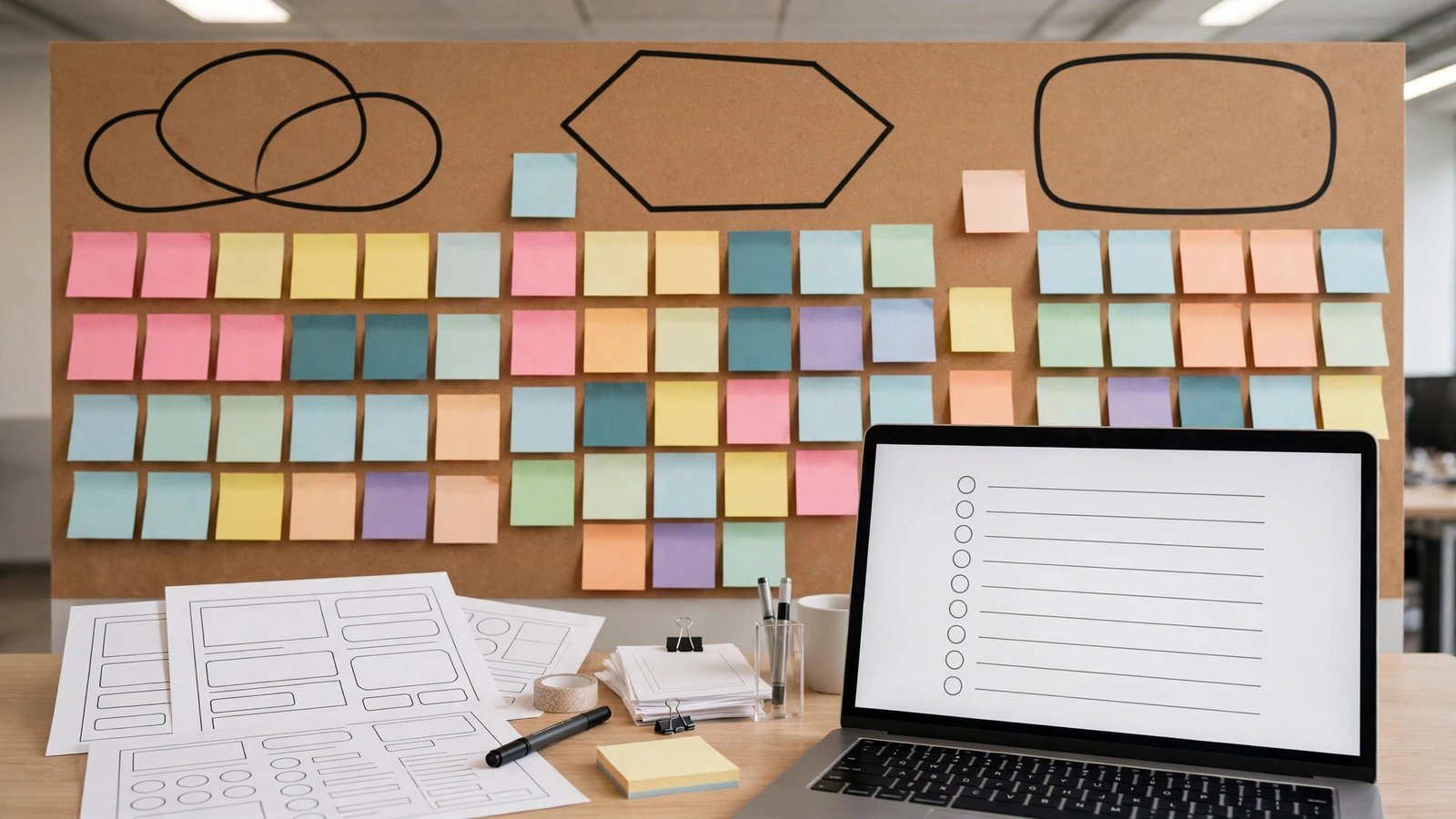
Everything starts with understanding what to build. Analysts and engineers interview stakeholders, study existing systems, and document functional requirements (what the software must do) and non-functional requirements (how well it must perform — speed, security, capacity, reliability).
The output is typically a requirements specification that both the client and the team agree on. Skipping or rushing this phase is the single most expensive mistake in software projects: a misunderstood requirement discovered after launch can cost a hundred times more to fix than one caught here.
Phase 2: System and Software Design
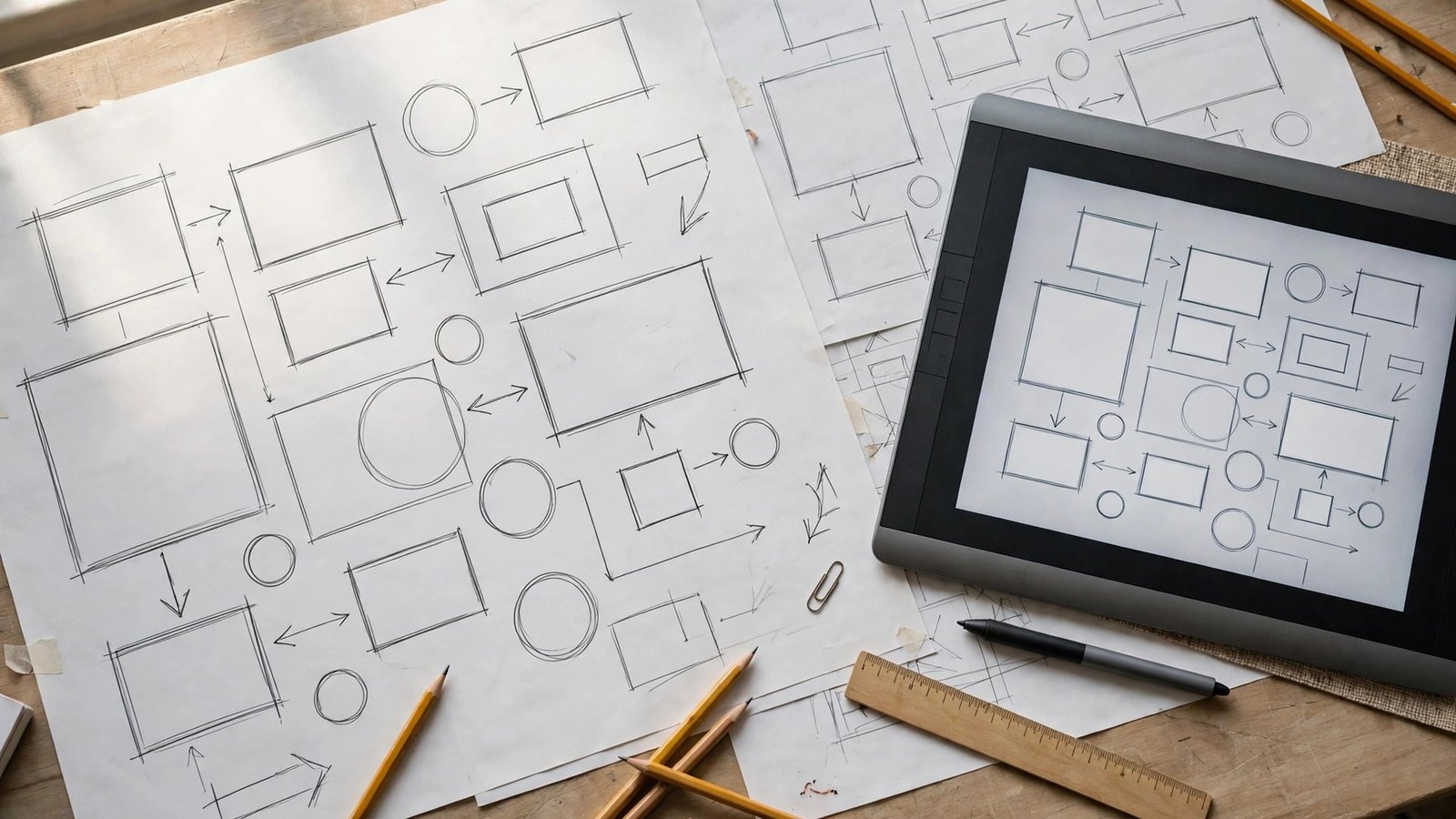
With requirements settled, the team designs the solution. System design defines the overall architecture — major components, how they communicate, what data they store. Detailed design then specifies each component’s behavior, interfaces, and algorithms.
Designers produce models and diagrams during this phase, often with the help of modeling tools of the kind described in our article on the types of computer aided software engineering tools. Good design decisions here — clean module boundaries, sensible data models — determine whether the software will be easy or painful to change later.
Phase 3: Implementation
Implementation is the phase most people picture: programmers write code following the design. Teams break the work into modules that individuals or pairs can build in parallel, using coding standards and version control so hundreds of changes merge safely.
Code review is part of this phase, not an optional extra. Reviewing each other’s code catches defects, spreads knowledge of the codebase, and keeps the style consistent. Unit tests — small automated checks written by the developers themselves — are usually written alongside the code.
Phase 4: Testing and Quality Assurance
Testing verifies that the software does what the requirements demand and survives real-world conditions. It proceeds in layers:
- Unit testing checks individual functions and modules.
- Integration testing checks that modules work together correctly.
- System testing evaluates the complete product against the requirements.
- User acceptance testing lets actual users or clients confirm the software solves their problem.
Defects found here loop back to implementation for fixes and re-testing. Our explainer on what software testing involves covers the types and techniques in detail.
Phase 5: Deployment and Maintenance
Deployment delivers the software to its users: installing it, migrating data, training staff, and monitoring the first days of real use. Then the longest phase begins — maintenance. Industry experience consistently shows that most of a system’s lifetime cost is spent after launch, on:
- Corrective maintenance — fixing defects found in production.
- Adaptive maintenance — adjusting to new operating systems, laws, or platforms.
- Perfective maintenance — adding features and improving performance as needs evolve.
A healthy process treats maintenance as a continuation of development, with the same requirements, design, and testing discipline in miniature.
Popular Process Models
The phases above can be organized in very different ways:
- Waterfall runs each phase once, in strict order. It suits projects with fixed, well-understood requirements, such as contract work with a signed specification.
- Agile and Scrum repeat the phases in short cycles (sprints of one to four weeks), delivering working software frequently and adapting to feedback.
- Spiral organizes work around risk, looping through phases while explicitly evaluating what could go wrong at each round — a good fit for novel, high-stakes systems.
- DevOps is less a separate model than an extension of the process: it automates deployment and operations so the cycle from code to production shrinks from months to hours. The standard reference for these ideas is the software development process overview on Wikipedia.
Choosing a model is a judgment call based on requirement stability, project size, risk, and how often users can give feedback.
Choosing the Right Process for Your Project
Since no model fits every project, experienced teams choose deliberately. Four questions do most of the work:
- How stable are the requirements? If users know exactly what they need and it will not change, sequential models are efficient. If the product must be discovered through feedback, iterate.
- How high is the risk of failure? Safety-critical or technically novel projects justify heavier upfront design, prototyping, and formal reviews.
- How large and distributed is the team? Bigger teams need more explicit coordination — clearer documents, defined handoffs, and stricter change control.
- How will success be verified? Regulated industries (medical, aviation, finance) require documented evidence at each phase, which pushes any model toward more formality.
In practice, many organizations run hybrids: an agile team inside a company that still demands quarterly plans and formal release approvals. That is not hypocrisy — it is tailoring the process to the context, which is itself a core process skill.

Documentation, Metrics, and Continuous Improvement
A process produces more than software. Each phase leaves artifacts — requirements documents, design models, test reports, release notes — that become the project’s memory. Good teams keep these lean but real: enough for a new engineer to understand why things are the way they are, not so much that nobody updates them.
Mature teams also measure the process itself. Useful metrics include defect rates by phase (are requirements errors slipping into production?), cycle time from idea to release, and the cost of rework. The point is not surveillance; it is finding the phase where problems originate and improving it. This loop — run the process, measure it, improve it — is the idea behind process-improvement frameworks such as CMMI and the improvement cycles built into agile retrospectives. A process that never changes eventually stops matching the team that uses it.
Who Does What: Roles Inside the Process
Each phase has natural owners, though small teams happily share hats. Business analysts and product owners lead requirements work and stay involved as the voice of the user. Architects and senior engineers own design decisions. Developers own implementation and unit testing. QA engineers own the test strategy and acceptance verification. Project and product managers coordinate the whole — scope, schedule, communication — while DevOps and release engineers own deployment and the production environment.
The handoffs between these roles are where processes succeed or fail. A requirements document nobody reads, a design developers never saw, testers brought in only at the end — each is a broken handoff, and each produces a recognizable disaster later. Healthy teams treat the handoffs as first-class parts of the process: demos, reviews, and shared definitions of “done” exist precisely to keep them intact.
Mistakes That Break the Process
- Skipping requirements to “save time.” The time is repaid many times over in rework.
- Treating testing as a final phase only. Testing squeezed into the last week finds problems when fixing them is most expensive.
- No feedback loops. A process that never checks real user reaction builds software nobody wants — elegantly.
- Process for its own sake. Documentation and meetings should serve the product; when they become the product, teams quietly stop following them.

Frequently Asked Questions
What are the five phases of the software engineering process?
Requirements analysis, design, implementation, testing, and deployment with maintenance. Some models split or rename phases, but these five activities always appear.
Is the software engineering process the same as the SDLC?
Essentially yes. SDLC (software development life cycle) is the most common name for the process and its phases; “software engineering process” emphasizes the disciplined, engineering approach to running them.
Which process model is best?
There is no universal best. Stable, well-understood projects suit waterfall; evolving products with engaged users suit agile; high-risk systems may need the spiral model’s explicit risk analysis.
Why is maintenance part of the process?
Because software lives for years. Changes after launch follow the same mini-cycle — understand, design, build, test, release — so maintenance is development continued, not an afterthought.
How long does the whole process take?
Anywhere from a few weeks for a small app to several years for large systems. The phases scale; the sequence and discipline do not change.
Conclusion
The software engineering process is how professional teams reliably convert ideas into software that works — and keeps working for years. Requirements, design, implementation, testing, deployment, and maintenance form a cycle that every successful project follows, whether in one long pass or in dozens of quick sprints. Master the phases, choose a model that fits your project’s risks, keep the handoffs between roles healthy, and most of the classic disasters of software development simply never happen.
